There's a particular kind of praise that gets handed to businesses run in a constant state of urgency. The founder who works eighteen-hour days. The team that's always on. The business that never stops. We've absorbed the idea that this is what success looks like — that the chaos is the point, that the busyness is the signal.
I don't think that's true. And I think a growing number of small business owners are beginning to notice that it isn't.
What calm actually enables
Calm is not the absence of work. It's not a slow business or a passive one. Calm is a working condition — a state in which your mind has enough space to make good decisions, notice things before they become problems, and engage with your work in a way that's sustainable over years, not just quarters.
When you're operating in constant urgency, your decision-making degrades. You start responding instead of thinking. You start managing fires instead of building the business. You mistake movement for progress, because at least movement feels like something is happening.
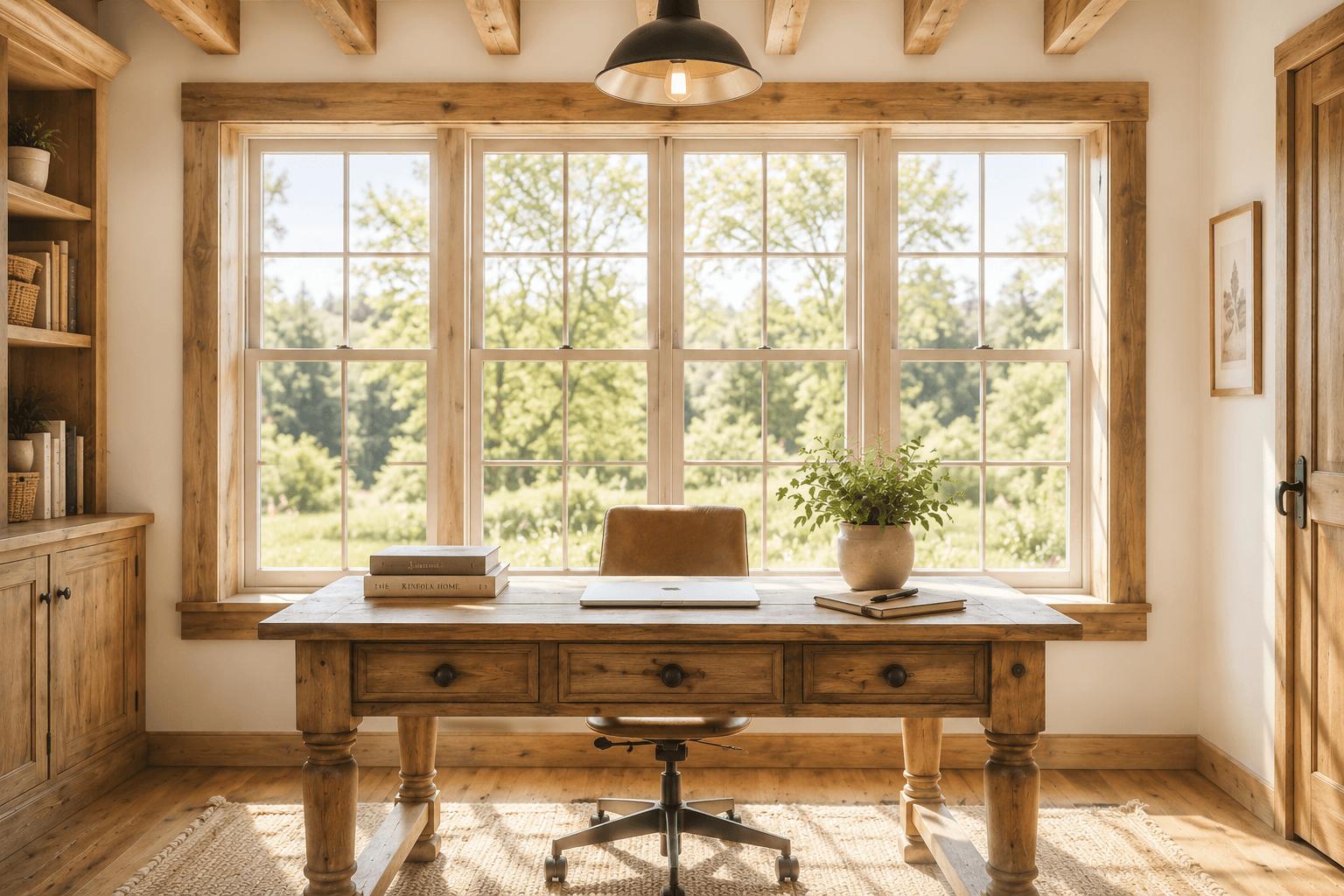
Calm is not the absence of work. It's the presence of space — space to think, to notice, to choose what deserves your attention.
Calm is a structural outcome
Calm doesn't happen by trying to be calm. It happens when your operational environment is organized well enough that the ambient anxiety of "I'm probably forgetting something important" goes quiet.
When you have good systems — when there's a trusted place for everything, when you can see what needs your attention today without searching for it, when the routine work has a rhythm that carries itself — the cognitive load decreases. And in that reduced load, there's room for calm.
This is why operational systems matter beyond efficiency. They're not just time-savers. They're the infrastructure that makes calm possible in the first place.
Build the systems. Let them carry the weight. And notice what becomes possible when your mind has room to breathe.